A REVIEW ON BILL GEORGE'S "TRUE NORTH".
“Leadership is a journey, not a destination. It is a marathon, not a sprint. It is a process, not an outcome.” -John Donahoe
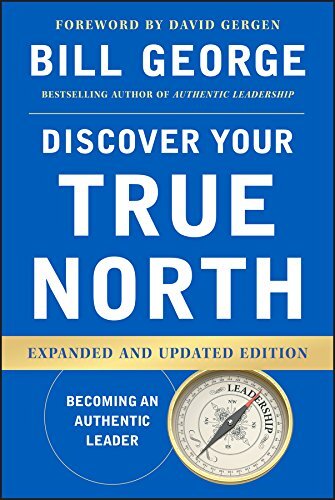
It was a cold yet pressured evening, when I gazed upon the illustration of the dimensions of authentic leadership. This was during the final days of my cadetship before it ends either positively or extends negatively. It was inscribed in the introduction of Bill George’s book entitled “True North”. It is a leadership book that was to be read by me and my classmates. The book introduced authentic leadership. Authentic leadership is a type of management style in which people act in a real, genuine, and sincere way that is true to who they are as individuals. Proponents of authentic leadership say this type of leader is best positioned to inspire trust, loyalty, and strong performances from employees.
Based on the illustration, there are five dimensions of an authentic leader and it is as follows:
1.) Pursuing Purpose with Passion
The majority of individuals have trouble comprehending the point of their leadership. Authentic leaders must first recognize their purpose before they can find it. In turn, their interests point to the reason behind their leadership. Without a clear sense of direction, egos and narcissistic weaknesses of leaders are their downfalls.
2.) Practicing Solid Values
Values are personal, they cannot be decided by anybody else, and they define a leader. However, the one quality that every genuine leader must possess is integrity. Nobody will and shouldn't trust you if you lack honesty. The personal beliefs of authentic leaders influence their values, which they build through research, reflection, discussion with others, and years of experience. Instead of what they say, the test of a leader's values is how they act when under pressure. People quickly lose faith in leaders if they are not faithful to the values they represent.
3.) Leading with Heart
Authentic leaders guide with both their hearts and their intellect. Leading from the heart may seem sentimental to some, as if real leaders can't make difficult decisions that involve suffering and loss, but it's everything but sentimental. It entails being passionate about what you do, showing empathy for those you work with and those you serve, and having the guts to take risks. As they traverse through uncharted territory, leaders need courage more than anybody else.
4.) Establishing Enduring Relationships
The ability to build long-lasting relationships is a crucial characteristic of true leaders. Before they truly commit to their professions today, they demand personal connections with their bosses. They demand access to their leaders because they understand that a deep and open relationship with them is the foundation for trust and dedication. People will exhibit strong dedication to their jobs and loyalty to the organization in return.
5.) Demonstrating Self-Discipline
Authentic leaders are aware that to compete successfully and achieve results, a constantly high level of self-discipline is required. They hold themselves to high standards and demand the same of others. To do this, one must take complete accountability for results and hold others liable for their actions. It is equally crucial for leaders to acknowledge their errors and take rapid corrective action when they make blunders. They should practice self-discipline in their personal lives as well because it is impossible to maintain self-discipline at work without it.
Before I read the book, there is something that is holding me back from becoming an effective leader. However, immediately upon learning about this, deep inside of me made a breakaway. I feel brand new and more motivated. There is no holding back now because I am buckling up toward my journey to become a law enforcer.
However, I was constantly informed that in the PNP service, there are many challenges that might disorient the career path. Although, the book I skimmed through gave me the energy and hope that even in the darkest route, there is always a way through. The only thing to do is to check your compass and point which way is the TRUE NORTH.
Reflection:
The influential book "True North" by Bill George explores the significance of discovering your true purpose and values. In order to offer guidance on how to become an authentic leader, the book heavily draws from Bill George's personal experiences and those of other successful leaders.
One of the key takeaways from "True North" is that authenticity is essential for successful leadership. Leaders must be true to themselves to lead effectively, embracing their unique strengths and weaknesses, values, and beliefs. Through personal stories and interviews with leaders, George shows how being true to oneself can improve leadership and enhance personal fulfillment and happiness.
The book also highlights the importance of developing self-awareness, which is a key factor in identifying one's true purpose and values. George suggests that self-awareness can be acquired through mindfulness and introspection, which can help individuals identify the strengths, weaknesses, and values that are most important to them.
Another critical aspect of the book is the idea of servant leadership, which is the idea that leaders should focus on serving others and creating value for their communities rather than focusing on their own personal gain. This type of leadership requires a solid commitment to empathy, humility, and social responsibility, all of which are emphasized throughout the book.
Overall, "True North" is valuable for anyone interested in becoming a more authentic and effective leader or simply gaining a deeper understanding of their values and purpose. The book provides a wealth of practical advice and insights from Bill George's extensive leadership experience and his interviews with numerous other successful leaders.
I can be more accurate when I find my true north. It combines my goals with my core values. I make choices based on what's most important to me in life and prioritize that. I could step toward answering my calling after I became aware of this inner sense. Only I am aware of where my true north is. No matter how similar two people are, they will not have the same true north. It paints the most accurate portrait of who I am.
Becoming a cadet is my true north. As I went along this less-traveled path, it made me an authentic leader with a positive attitude. These characteristics include, among others, genuineness and transparency. Trust is the foundation of the relationship between my people and me. They need to have faith in my moral character and their commitment to motivating them as a unit. I also developed self-awareness. I started to realize what drives me as a person. All of the internal and external noise vanished from my head, and I also became aware of my values.
On top of that, I am proud to say that I am now excelling at what is important to me. I must put in the necessary time, effort, and practice to reach my goals. I need to put in some measure, for instance, if my goal is to manage my team in a supportive manner. I must familiarize myself with management literature, solicit team input, and consider how I may improve. I can devote my attention to being the best possible version of myself.
We must first look within ourselves before influencing the world for the better. We must take care of ourselves before we can take care of others. The first step to inspiring others is the clarity that comes with discovering our true north. When our behaviors emanate from an authentic place, we may empower people as authentic leaders. We can organize our careers based on our interests, abilities, and values after knowing what drives us. We must set ourselves up for long-term success and overall work pleasure by making career decisions based on our internal compass.
References:
True North Summary, Review PDF. (n.d.). https://lifeclub.org/books/true-north-bill-george-review-summary
