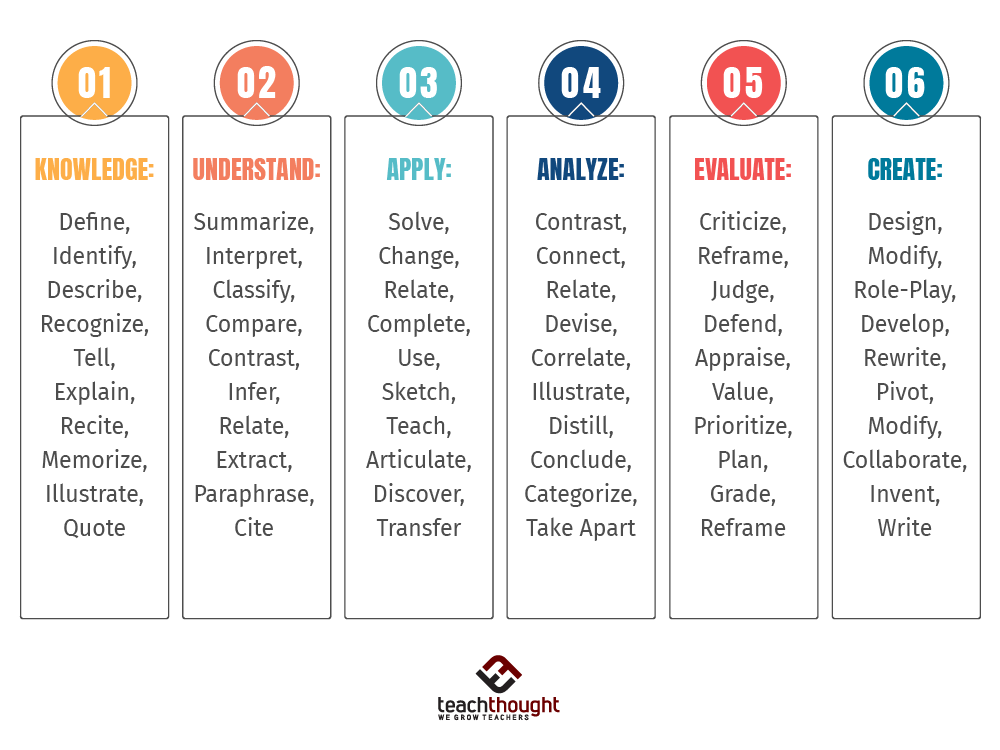
The BLOOM'S TAXONOMY
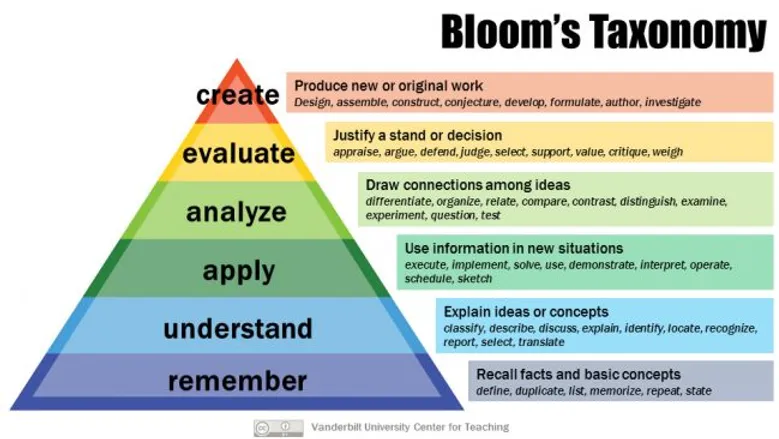
The primary purpose of Bloom's taxonomy was to structure educational objectives by establishing learning-enhancing steps that would lead to a stage of in-depth comprehension rather than mere memorization. It encompasses the connection, use, and development of several branches of the mentioned subject. We are applying the disciplinary mechanism. It will give us a fundamental understanding of criminal legislation, the PNP organizational structure, and the operating manual. Its place is taken by comprehension.
The primary objective of jurisprudence is to create annotations; thus, more than knowing the subject is required. We also need to understand it deeply. Once we have a topic under control, we should use it to solve ambiguity in scenarios. We should consider the "what ifs," which might occur in alternative strategies, and have uncertainty to remove ambiguity entirely. This will start the following process: Synthesis, which involves applying knowledge from many scientific and legal disciplines. Finally, we can develop fresh concepts that could benefit.
Bloom's taxonomy was created primarily to organize educational goals by creating steps that enhance learning, creating a phase of deep knowledge of a topic rather than just memorizing its definition. By applying to research, we can understand the previous research concepts and produce research that will help us understand deeply everything that goes around our lives. We can apply it to our daily lives for example, the problem of cadets sleeping in the classroom. By using our research recommendations, we can solve this problem. Then we can analyze if the research and application we made are effective or not. We can evaluate the results, devise a solution, create another, or innovate.
Applying it in our future profession, we must understand the contribution of these to the nation and the economy. Leadership is not only for us but also for the benefit of many people. We must apply current knowledge, not just from books but also from practical experiences. Then we can analyze if the teachings of the books and training were applicable and practical. If not, we can evaluate what we did to gather data based on our own experiences. What shall we do if that same situation happens again, or what if a new scenario is not included in the handbooks or training? Then we can create other tactics to help us perform our duties as future public servants of the country.